
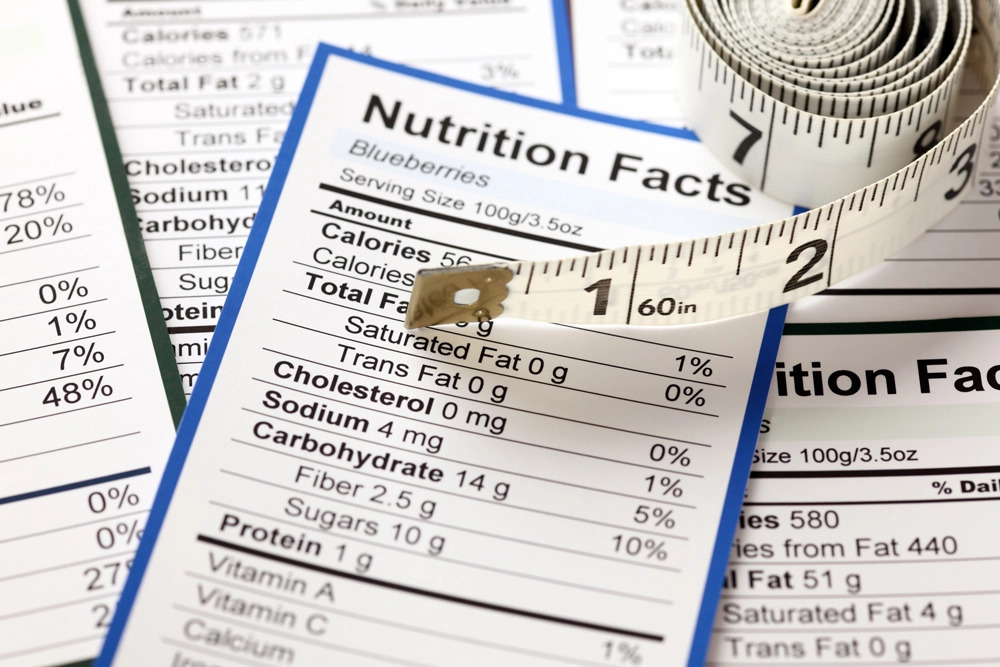
Nutritional Table Guide: Essential Info For Healthy Eating

Understanding the nutritional content of the food we consume is essential for maintaining a healthy diet and lifestyle. Nutritional tables provide a comprehensive breakdown of the various nutrients present in a specific food item, allowing consumers to make informed choices about their meals.
Whether you are trying to monitor your calorie intake, increase your protein consumption, or limit your sugar intake, a nutritional table can help you tailor your diet to meet your individual needs and goals. In this article, we will explore the importance of nutritional tables, how to read and interpret them effectively, and how they can support you in achieving a balanced and nutritious diet.
The Importance of Nutritional Tables
Nutritional tables play a crucial role in helping individuals make informed decisions about their dietary choices. By providing detailed information about the macro and micronutrients present in various foods, these tables enable consumers to understand the nutritional content of what they are eating. Whether you are looking to manage your weight, improve your overall health, or address specific dietary concerns, referring to a nutritional table can guide you towards making healthier food choices. For those with dietary restrictions or health conditions such as diabetes or high cholesterol, using a declaracion nutrimental can be especially beneficial in ensuring that you are meeting your nutritional requirements while avoiding ingredients that may be harmful to your health.
Reading and Interpreting Nutritional Tables
To effectively utilize nutritional tables, it is essential to understand how to read and interpret the information presented. Key components to look for include serving sizes, calories per serving, total fat, carbohydrates, protein, fiber, sugars, and sodium content. By comparing these values to your daily nutritional goals or dietary recommendations, you can tailor your meal planning to meet your specific needs. Additionally, ingredient lists on nutritional tables can help you identify any allergens or additives present in the food item. Learning how to navigate and analyze nutritional tables empowers you to make educated decisions about the foods you consume, ultimately supporting you in achieving a balanced and nutritious diet.
In conclusion, understanding nutritional tables is paramount for making informed decisions about your diet and overall well-being. By utilizing these tables, you can track your calorie intake, monitor nutrient levels, and make adjustments to meet your dietary goals. Whether you are seeking to lose weight, improve your health, or address specific dietary concerns, nutritional tables provide valuable insight into the foods you consume. By learning how to read and interpret these tables effectively, you can make educated choices that support a balanced and nutritious diet tailored to your individual needs. Embracing the information provided in nutritional tables can empower you to take control of your diet and make positive choices that contribute to a healthier lifestyle.
