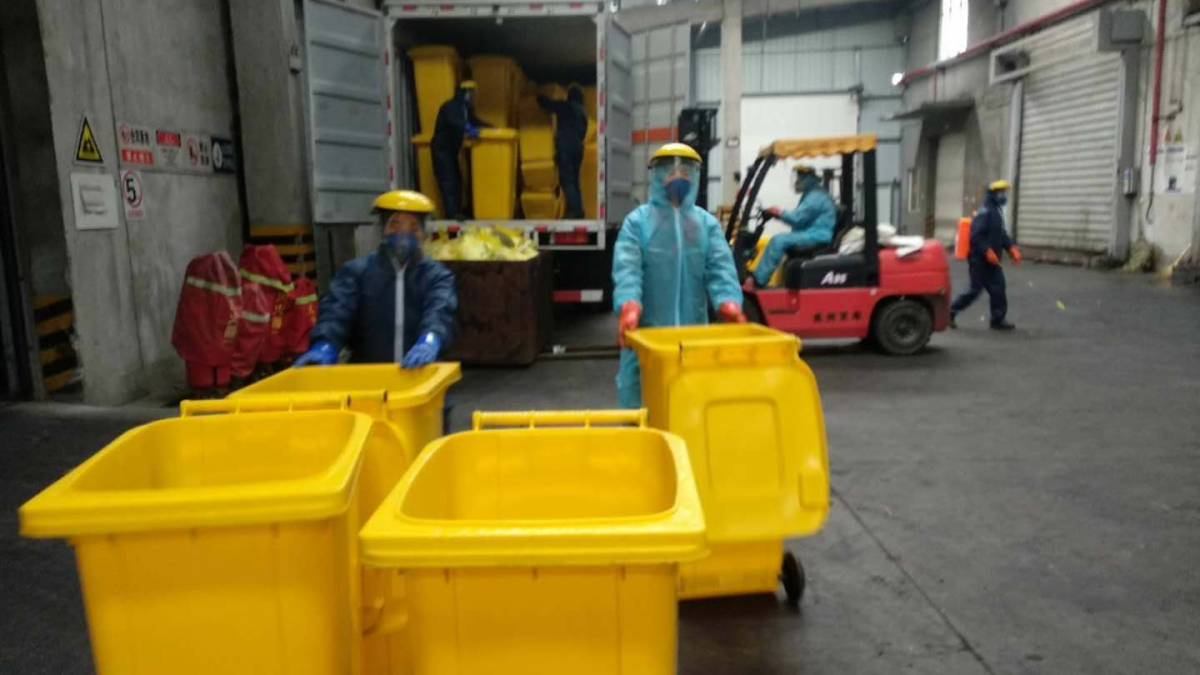
Proper Medical Waste Disposal: Practices, Regulations, And Benefits

Medical waste disposal is a critical aspect of healthcare management that is often overlooked. As our world becomes increasingly focused on health and wellness, it is important to address the proper disposal of medical waste to protect public health and the environment. Medical waste refers to any waste material generated during medical procedures, research, or the diagnosis and treatment of patients. This can include used needles, syringes, contaminated gloves, gauze pads, and various other items that may pose a risk if not disposed of correctly.
The disposal of medical waste requires specialized methods to ensure safe handling and eradicate potential hazards. It involves a series of steps, including collection, transportation, treatment, and final disposal. Improper disposal can have severe consequences, such as the spread of pathogens and contamination of water sources or soil. Therefore, proper training and adherence to local regulations are essential for healthcare facilities to effectively manage their medical waste. In this article, we will explore the importance of medical waste disposal and delve into the best practices that ensure the proper management of this critical aspect of healthcare operations.
Importance of Proper Medical Waste Disposal
Proper medical waste disposal is of paramount importance to safeguard public health and protect the environment. The correct management of medical waste ensures that potentially harmful materials are handled and disposed of in a manner that minimizes the risk of disease transmission and environmental contamination. Healthcare facilities in Philadelphia, Pennsylvania, understand the significance of adhering to local regulations and implementing best practices for medical waste disposal. By partnering with professional disposal companies such as Medical waste disposal Philadelphia, healthcare providers can ensure the safe and responsible handling of their waste materials.
Best Practices for Medical Waste Disposal
Adhering to best practices is crucial to ensure the proper management of medical waste. Healthcare facilities must establish comprehensive waste management plans that address all stages of disposal, from collection to final disposal. Proper training of staff regarding segregation, containment, and labeling is essential to prevent cross-contamination and reduce risks associated with medical waste handling. Additionally, healthcare providers must partner with licensed disposal companies that specialize in medical waste management, such as Medical waste disposal Philadelphia. These companies possess the necessary expertise, resources, and compliant infrastructure to safely transport and treat medical waste, minimizing potential harm to public health and the environment.
In conclusion, the proper disposal of medical waste is crucial for the protection of public health and the environment. Healthcare facilities must prioritize the implementation of best practices and adhere to local regulations to ensure the safe handling and disposal of medical waste. This includes comprehensive waste management plans, proper staff training, and partnering with licensed disposal companies. By implementing these measures, healthcare providers can mitigate the risks associated with medical waste and contribute to a healthier and safer community.